











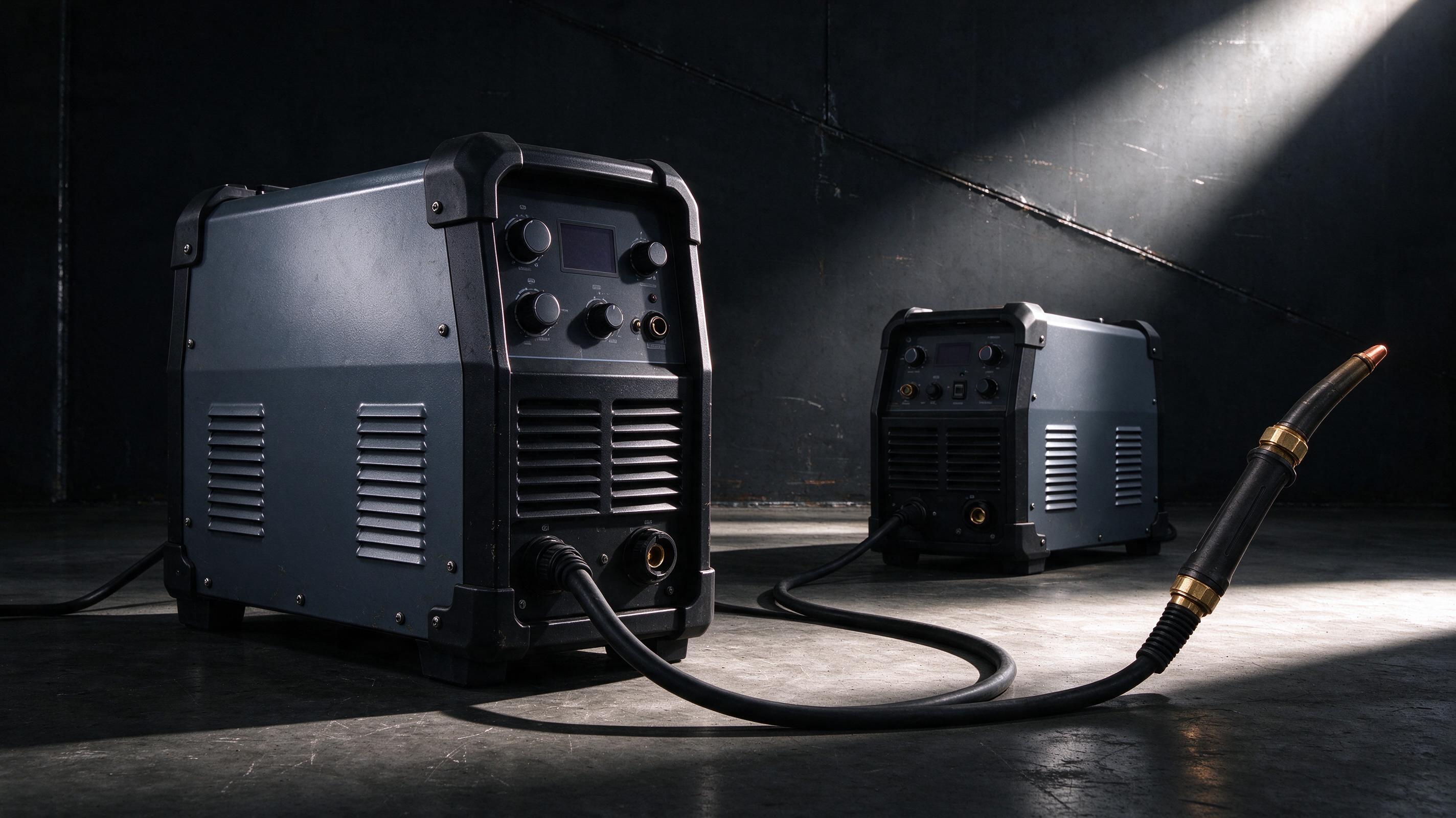
In the global manufacturing landscape, Chinese spot welding machines have grown from low-cost alternatives into genuinely competitive industrial equipment, and their technological evolution is a large part of the reason. Today's machines from Chinese manufacturers combine rugged construction, adaptable process control, and intelligent features that let them serve sectors ranging from automotive and aerospace assembly lines to electronics and general metal fabrication.
Robust Construction Built for Industrial Environments
A defining trait of current-generation Chinese spot welders is their build quality. Manufacturers increasingly integrate high-grade materials and reputable electrical and mechanical components, so the machines can withstand the vibration, dust, and continuous duty cycles of demanding production floors. This durability translates directly into fewer breakdowns, longer service life, and less unplanned downtime — a key factor for factories running multi-shift schedules.
Versatility Across Materials and Applications
Modern Chinese spot welding equipment is no longer a one-trick product line. Machines such as pneumatic pedal spot welders, energy-storage spot welders, mid- and variable-frequency units, and flash butt welders cover thin sheet-metal work as well as heavier structural joining. Welding parameters are widely adjustable, which lets the same machine class handle galvanized steel, stainless steel, aluminum alloys, and coated materials. That flexibility makes them a practical fit for automotive body shops, appliance factories, electronics enclosures, and metal furniture producers alike.
Precision and Weld Quality
The core of the technology is process control. Precise electrode positioning paired with tightly regulated welding current and time produces consistent nugget formation, uniform penetration, and repeatable joint strength. Advanced control systems and welding algorithms compensate for surface variation and electrode wear, helping operators hit stringent quality standards batch after batch. For manufacturers, that means fewer rejected assemblies and stronger confidence in the structural integrity of the finished product.
Intelligent Features and Connectivity
In step with the industry-wide push toward smart manufacturing, Chinese spot welders are adding touchscreen interfaces, programmable parameter storage, and network connectivity. Operators can recall saved weld schedules, monitor machine status in real time, and integrate the equipment into factory networks for data logging and remote diagnostics. These capabilities support predictive maintenance — catching electrode degradation or transformer issues before they cause line stoppages — and give plant managers data they can use to optimize workflows.
Energy Efficiency and Sustainability
Energy management is another area of visible progress. Inverter-based and energy-storage designs draw less power than older machine classes, and power-management systems reduce idle consumption. Lower energy use cuts operating cost and supports the sustainability targets that more and more export-oriented manufacturers are being asked to meet.
The Value Proposition
For buyers, the combination matters more than any single feature: Chinese resistance welding machines now pair acceptable-to-good process performance with competitive pricing and modest maintenance requirements. That mix shortens payback periods and puts automation-grade welding technology within reach of small and mid-sized factories, not just large OEMs.
Outlook
Chinese suppliers continue to iterate on control electronics, servo gun actuation, and robot integration — including welding robotic arms designed to pair with their resistance welding machines. As these suppliers keep climbing the technology curve, their spot welders are expected to keep gaining ground in global markets, particularly where buyers need dependable, economical equipment with modern control and connectivity features.